Mandi is known for its irresistible aroma, tender meat, and beautifully seasoned rice — but many people wonder: Is Mandi actually healthy?
The good news is: Yes, Mandi can absolutely fit into a balanced diet, especially when prepared traditionally and enjoyed in mindful portions.
Whether you’re focusing on clean eating, protein-rich meals, or simply trying to make smarter food choices, Mandi offers a nutritious and satisfying option. Here’s how this beloved Yemeni dish doubles as both comfort food and a healthy meal.
1. Lean Protein as the Star of the Dish
At the heart of every good Mandi is high-quality protein — usually chicken or lamb.
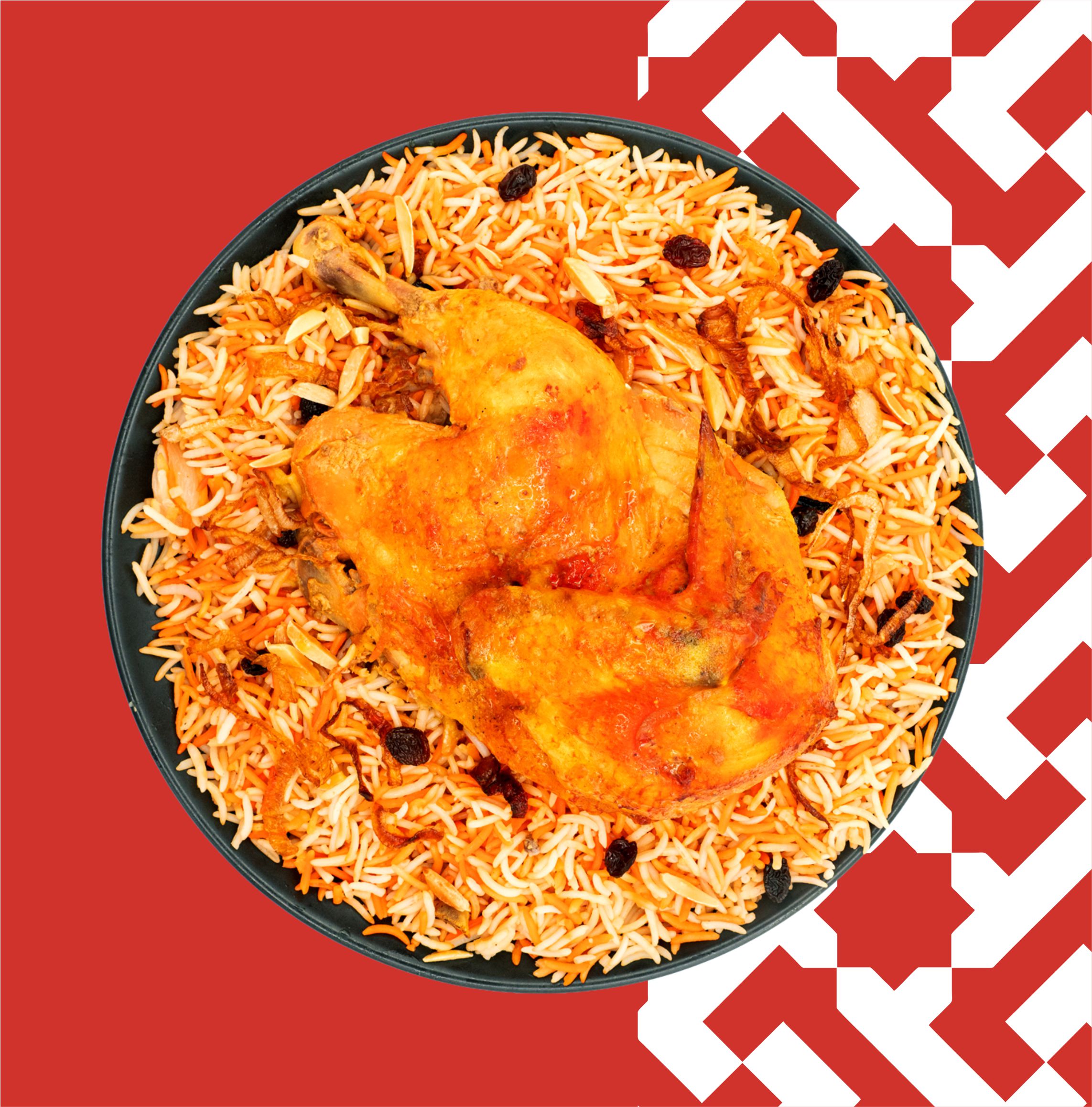
Chicken Mandi
- Low in fat
- High in protein
- Great for muscle maintenance, metabolism, and immunity
Lamb Mandi
- Rich in iron and B vitamins
- High in protein
- Provides long-lasting energy
Protein keeps you full longer, supports muscle health, and helps prevent overeating later in the day.
2. Slow-Cooking Means Less Oil and Cleaner Eating
One of the biggest advantages of traditional Mandi is its cooking style.
The meat is cooked slowly in a tandoor-style pit or oven, allowing:
- Natural fats to melt away
- No need for deep frying
- Minimal added oils
- A cleaner, lighter final dish
This makes Mandi significantly healthier than many fried or heavily sauced meals.
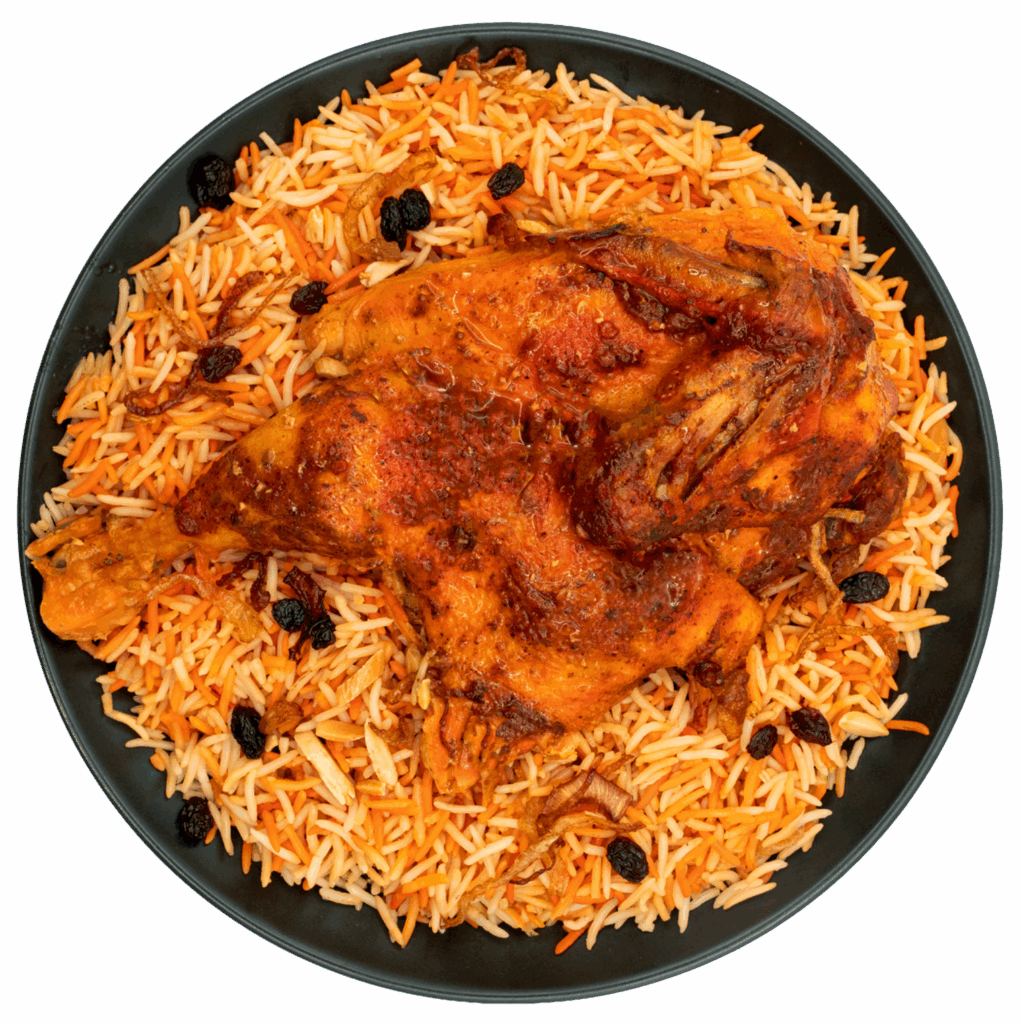
3. Aromatic Spices Offer Natural Health Benefits
Mandi isn’t just flavourful—it’s packed with spices known for their wellness properties:
- Turmeric – anti-inflammatory
- Black lime – aids digestion
- Cardamom – supports gut health
- Cloves & cinnamon – improve metabolism
- Bay leaves – rich in antioxidants
These spices not only enhance taste but also contribute to a more nutrient-rich meal.
4. Balanced Carbs: The Rice Works With Your Body, Not Against It
Yes, Mandi includes rice — but here’s the key:
Mandi rice is not greasy or overly buttery.
It’s steamed with broth, spices, and natural meat drippings, giving it flavour without excessive fat.
When eaten in reasonable portions, rice provides:
- Steady energy
- Essential carbohydrates
- Fiber (especially if using basmati or long-grain varieties)
Pair it with plenty of protein, and you get a balanced, satisfying meal.
5. Portion Control Makes a Big Difference
You don’t need to give up Mandi to eat healthy — you just need to enjoy it mindfully.
Healthy plate tip:
- Fill half your plate with rice
- Add plenty of chicken or lamb
- Include salad or yogurt on the side
This keeps the meal balanced and nourishing without feeling heavy.
6. Easily Adaptable for Different Diet Goals
Mandi can be tailored to fit many lifestyles:
- Low-calorie: Choose chicken, reduce rice portion.
- High-protein: Add extra chicken or lamb, reduce rice.
- Balanced diet: Pair with salad, soup, or light sauces.
- Low-fat: Remove the skin from the chicken.
- Healthy fats: Add a small serving of nuts (some variations do!).
Few traditional dishes are this adaptable — which is why many people enjoy Mandi even while on structured meal plans.
7. Clean Ingredients, No Heavy Sauces
Unlike many dishes that rely on cream, butter, or thick sauces, Mandi uses clean, whole ingredients:
- Meat
- Rice
- Spices
- A small amount of ghee or oil
This simple ingredient list makes it easier to fit into your daily calorie or macro goals.
Final Thoughts
Mandi proves that traditional dishes don’t need to be heavy or unhealthy. With its lean protein, clean cooking method, antioxidant-rich spices, and balanced carb profile, Mandi is a dish that fits beautifully into a modern healthy lifestyle.
Whether you’re hitting fitness goals, eating mindfully, or simply avoiding overly processed foods, Mandi offers both nutrition and satisfaction — without compromising flavour.