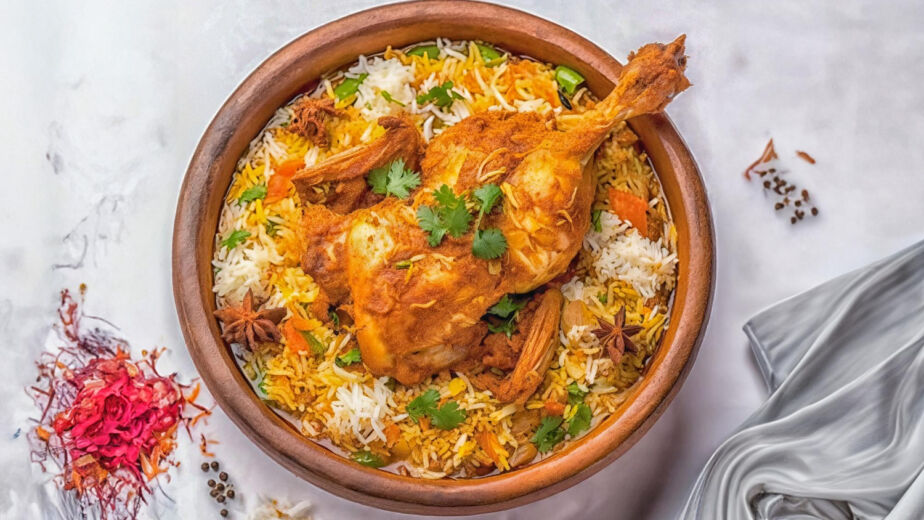
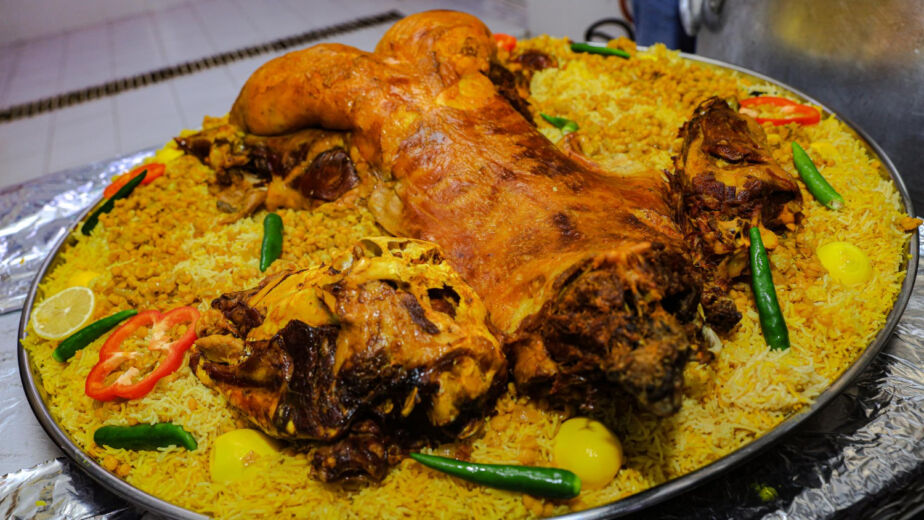
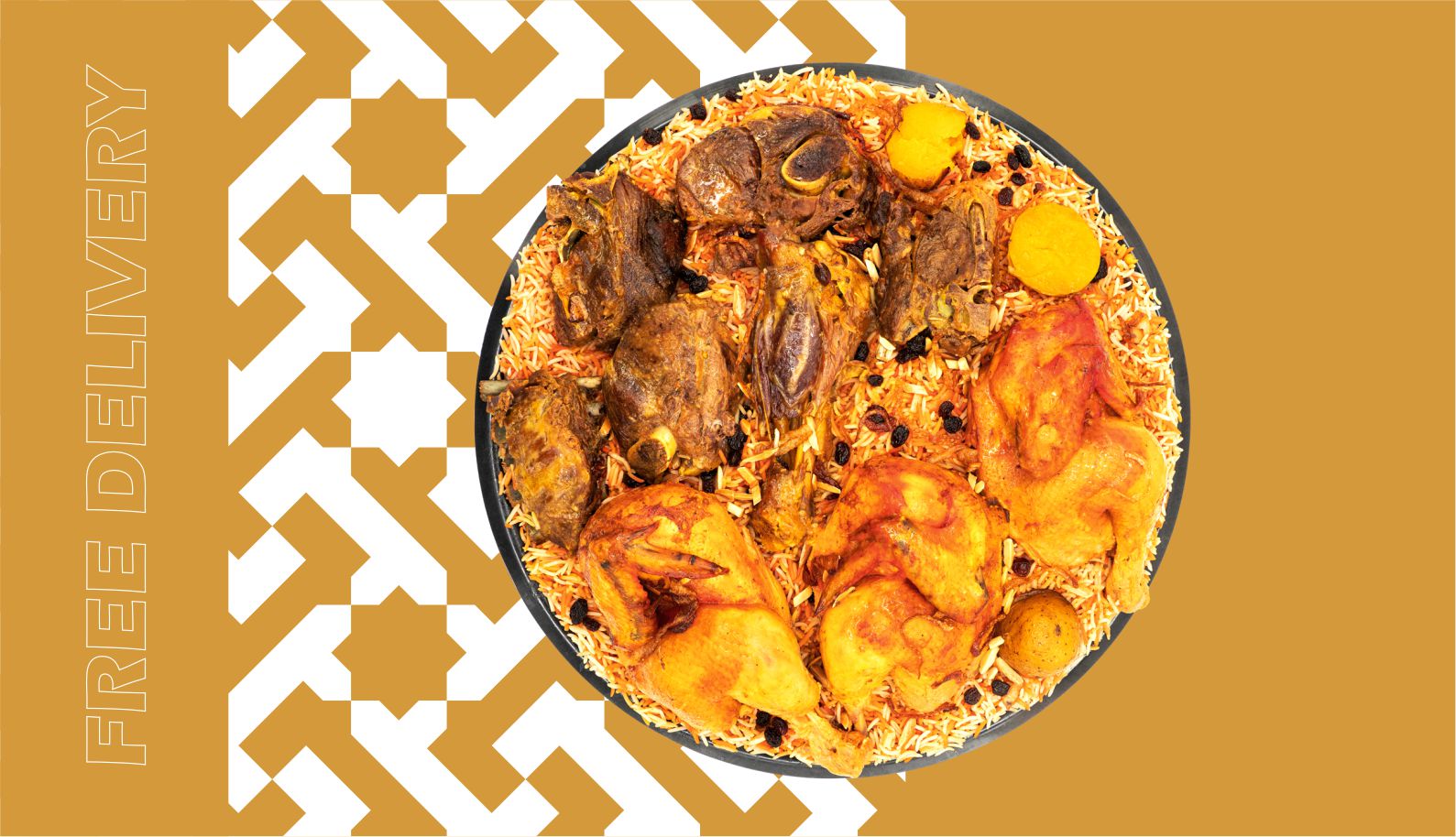
Mandi is traditionally a communal dish, designed to be shared. That makes it an ideal choice for large events, corporate functions, weddings, and private gatherings. But preparing Mandi for hundreds of guests requires far more than simply scaling up a home recipe. It demands precision, planning, and deep respect for tradition.
Here’s an inside look at how professional restaurants successfully prepare large-batch Mandi while maintaining the authentic flavour, aroma, and quality that guests expect.
1. Strategic Planning Before Cooking Begins
Large-scale Mandi preparation starts days in advance. Restaurants carefully assess:
- Guest count and portion sizing
- Protein selection (chicken, lamb, or mixed)
- Cooking equipment capacity
- Timing for delivery or on-site service
Accurate planning ensures consistent flavour across every tray and prevents overcooking or waste.
2. Bulk Meat Selection and Preparation
For events, restaurants source uniform cuts of meat to ensure even cooking.
Key preparation steps include:
- Trimming excess fat
- Cleaning and patting meat dry
- Applying a dry or light wet spice rub
- Allowing the meat to marinate overnight
Marination in large food-safe containers allows flavours to penetrate deeply, which is essential when cooking in bulk.
3. Scaling the Signature Mandi Spice Blend
Mandi relies on balance, not heat. When cooking in large batches, chefs precisely measure spice ratios to maintain consistency.
Common spices include:
- Cardamom
- Cloves
- Cinnamon
- Bay leaves
- Black lime
- Nutmeg
Professional kitchens often pre-mix spice blends in advance, ensuring every batch tastes identical.
4. Specialized Equipment for Large-Batch Cooking
Unlike home kitchens, restaurants use industrial-grade equipment to prepare event-sized Mandi:
- Large tandoor ovens or vertical smokers
- High-capacity steam ovens
- Commercial rice steamers
- Insulated holding cabinets
These tools allow chefs to replicate traditional pit-cooking methods while meeting health and safety standards.
5. Managing the Smoke for Authentic Flavour
Smoke is one of the most important elements of Mandi. For large batches, restaurants carefully control smoke levels using:
- Aromatic wood or charcoal
- Controlled airflow systems
- Smoke-infusion techniques like sealed coal steaming
This ensures the rice absorbs smoky aroma without becoming overpowering or bitter.
6. Rice Preparation in Bulk
Rice is cooked separately but timed to finish alongside the meat.
Key steps include:
- Washing rice in large batches to remove excess starch
- Cooking with broth made from meat drippings
- Layering spices evenly across trays
- Allowing steam to finish the rice gently
This process keeps the rice fluffy, aromatic, and consistent across dozens of serving trays.
7. Assembly and Holding for Service
Once the meat and rice are ready, teams assemble Mandi trays efficiently:
- Rice layered first
- Meat placed evenly on top
- Garnishes added (fried onions, nuts, herbs)
Trays are then placed in temperature-controlled holding units to maintain freshness until service time.
8. Transportation and On-Site Execution
For off-site catering, logistics are critical. Restaurants use:
- Insulated food carriers
- Sealed trays to retain steam and aroma
- Dedicated staff for on-site setup
Some events even include live carving or serving stations, enhancing guest experience and presentation.
9. Portion Control and Guest Experience
Large events require consistent portioning to ensure every guest enjoys the same quality.
Restaurants pre-plan:
- Meat-to-rice ratios
- Tray counts per guest number
- Backup servings for late arrivals
This guarantees a smooth service flow and satisfied guests.
10. Maintaining Quality at Scale
The biggest challenge in large-batch Mandi is preserving authenticity. Successful restaurants achieve this by:
- Sticking to traditional techniques
- Avoiding shortcuts
- Using experienced chefs familiar with Mandi
- Prioritizing aroma, not speed
Quality remains the priority—no matter the guest count.
Final Thoughts
Large-batch Mandi preparation is both an art and a science. When done right, it delivers bold flavour, stunning presentation, and an unforgettable dining experience for events of any size.
From careful planning and precise spice blending to controlled smoking and professional logistics, restaurants that specialize in Mandi know how to scale tradition without compromising authenticity.
For events, catering, or large celebrations, Mandi remains one of the most impressive and satisfying dishes to serve.