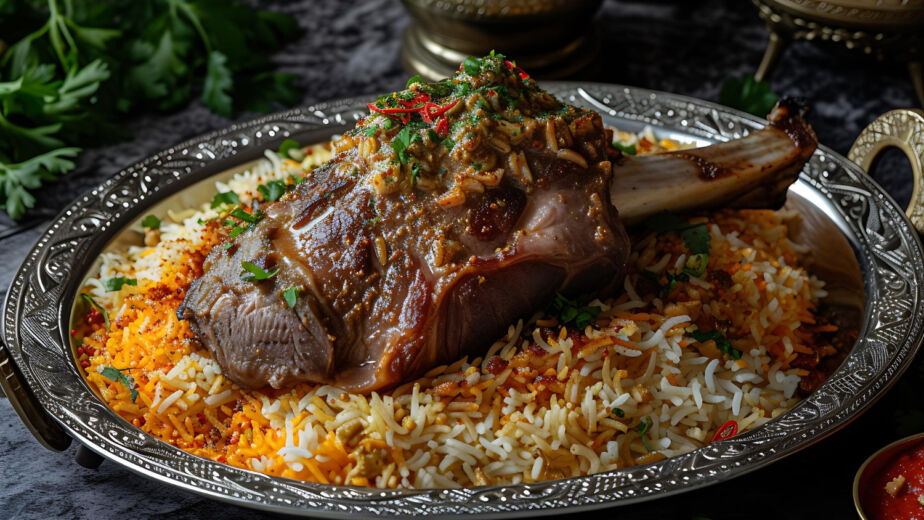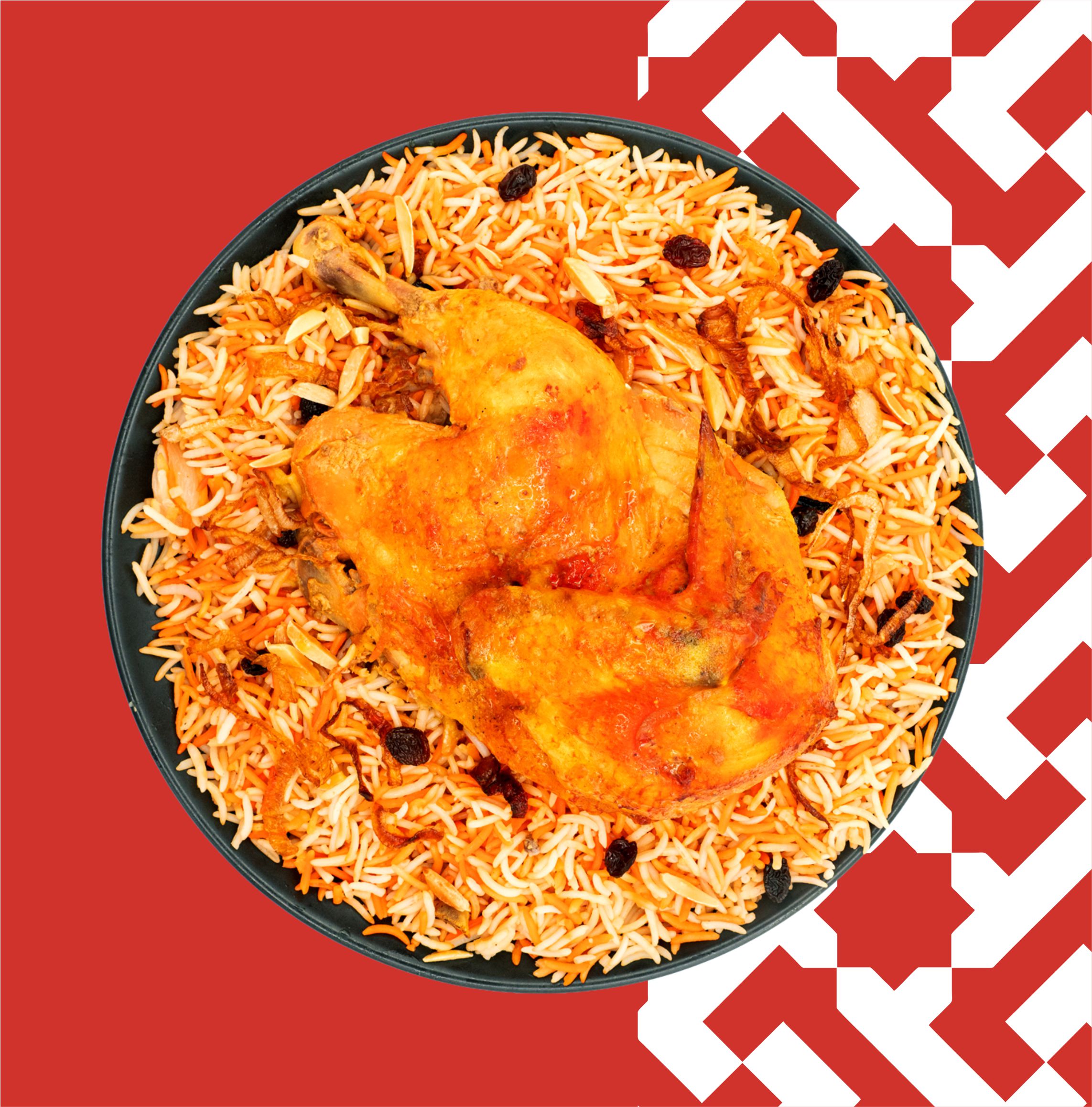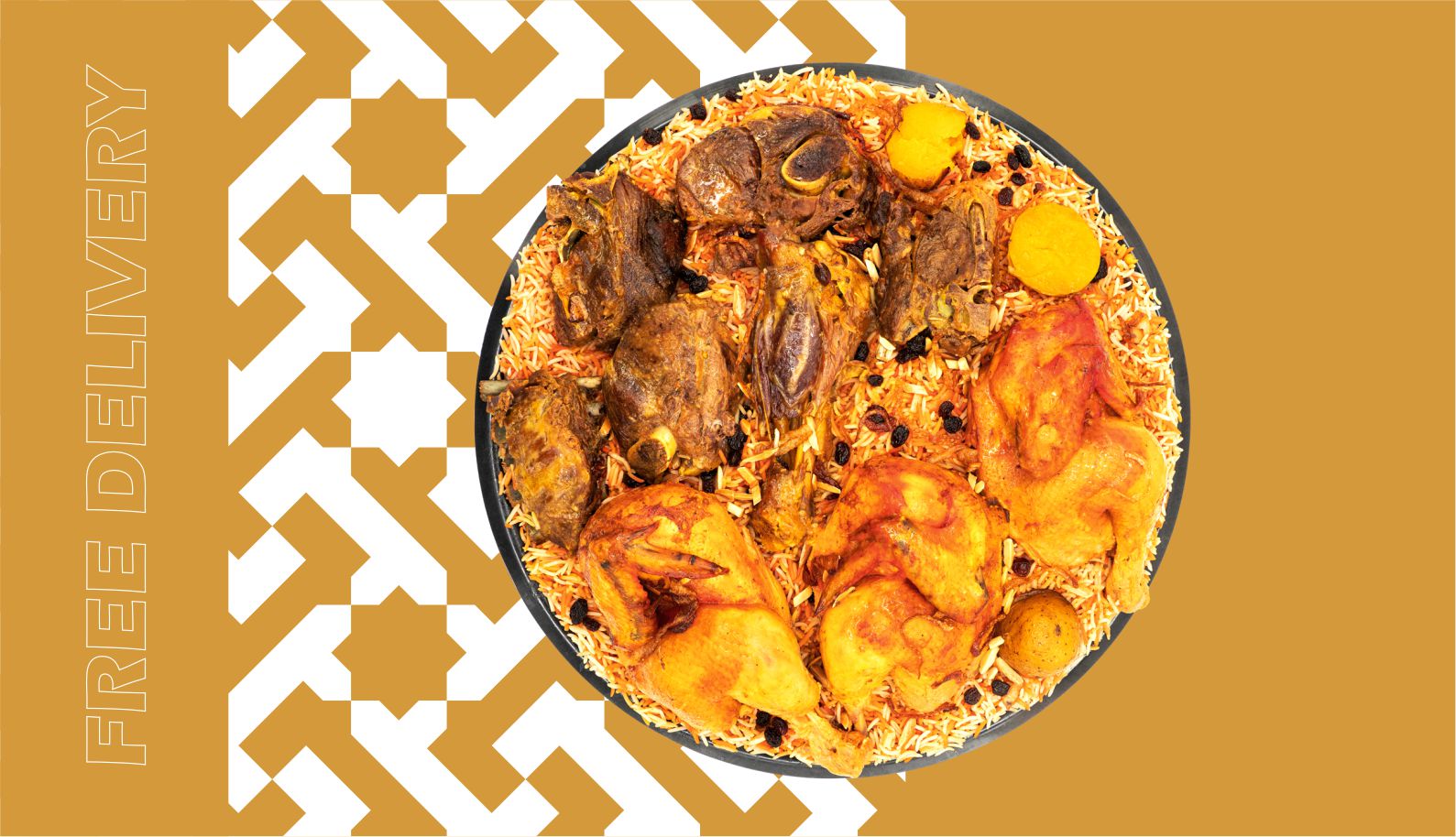
Mandi is more than just a rice-and-meat dish—it’s an experience. Known for its fragrant rice, tender meat, and unmistakable aroma, Mandi has won hearts across the Middle East and far beyond. But ask anyone what makes an authentic Mandi truly unforgettable, and they’ll tell you the same thing: the smoke.
Smoke is the soul of Mandi. It’s what gives the dish its signature depth, warmth, and richness—something you simply can’t replicate with shortcuts. In this blog, we explore how smoke transforms Mandi from a simple meal into a cultural and culinary masterpiece.
1. The Traditional Cooking Method: Where Smoke Begins
Authentic Mandi is cooked in a tandoor-style underground pit, known as a taboon or tandoor. The meat hangs above hot coals while the rice cooks at the bottom, absorbing every drop of flavour.
As the meat slowly cooks, the rising smoke infuses into the grains, creating that iconic aroma that defines real Mandi.
This process isn’t rushed—it’s a slow, patient technique perfected over generations.
2. Smoke Adds Layers of Flavour You Can’t Create Any Other Way
Smoke doesn’t just “season” the dish—it builds an entire flavour profile. Here’s what it brings:
- Earthiness: Wood smoke adds a grounded, natural flavour.
- Warmth: Perfect for pairing with the dish’s spice blend.
- Complexity: Creates depth that keeps each bite interesting.
- Aromatics: The scent alone makes the dish irresistible.
The combination of spices + slow cooking + smoke is what makes Mandi unlike any other rice dish.
3. The Choice of Wood Matters
Not all smoke is created equal. In traditional Yemeni Mandi, specific woods are used for their aroma, burn quality, and flavour.
Common choices include:
- Samar wood
- Acacia wood
- Citrus woods
These woods burn slowly, produce clean smoke, and naturally enhance the dish without overpowering it.
For restaurants or home cooks outside Yemen, the goal is to replicate the effect using mild, aromatic woods that won’t dominate the flavour.
4. How the Meat’s Juices Enhance the Smoky Aroma
One unique part of Mandi cooking is positioning the meat above the rice. As the meat slowly tenderizes, its juices drip down, mixing with the rice and coals.
This creates:
- Light steam infused with meat drippings
- A smoky broth at the bottom
- Layers of flavour in every grain of rice
Smoke doesn’t sit on the surface—it becomes part of the rice and meat itself.
5. The Final Step: Dagah (Smoke Sealing Technique)
In some variations, chefs use an additional technique to deepen the smokiness:
Dagah or Tashweeh
This involves placing a piece of burning coal into a small heat-resistant bowl with ghee or oil, then sealing the pot immediately.
The coal releases aromatic smoke that gets locked inside, allowing the meat and rice to absorb an extra boost of flavour.
It’s quick, theatrical, and incredibly effective.
6. Why You Can Taste the Difference Instantly
A true Mandi dish announces itself before you even take a bite. The smoky aroma hits first—warm, deep, and comforting.
This isn’t something you get from ovens or pressure cookers. Smoke creates:
- A luxurious mouthfeel
- A lingering aftertaste
- A rich, memorable aroma
It’s a sensory experience that elevates the entire dish.
7. Smoke Connects Mandi to Its Cultural Roots
Beyond flavour, smoke plays a role in preserving Mandi’s heritage.
For centuries, Yemeni tribes cooked Mandi outdoors over wood-fired pits. The smoky flavour is part of the dish’s history—a reminder of communal gatherings, desert nights, and traditional hospitality.
Every smoky bite brings that tradition into modern kitchens and restaurants around the world.
Final Thoughts
Without smoke, Mandi would still be delicious—but it wouldn’t be extraordinary. Smoke is what gives Mandi its signature character, turning simple ingredients into a layered, aromatic, and unforgettable meal.
Whether you’re eating at a traditional restaurant or recreating it at home, it’s the smoky depth of flavour that makes Mandi truly authentic.