In Middle Eastern cuisine, food is more than nourishment—it is a symbol of hospitality, honor, and togetherness. Among the many iconic dishes of the region, Lamb Mandi holds a special place as a centerpiece of celebrations, gatherings, and meaningful occasions. Its preparation, presentation, and cultural significance elevate it far beyond an everyday meal.
A Dish Rooted in Tradition
Lamb Mandi originated in Yemen and spread across the Arabian Peninsula, becoming deeply embedded in Middle Eastern culinary heritage. Traditionally, it is prepared using a slow-cooking method in an underground pit (called a tandoor or madrasa), where lamb is gently cooked over hours with fragrant rice and aromatic spices. This time-intensive process reflects patience, care, and respect—values that are central to celebrations.
Because of the effort involved, Lamb Mandi was historically reserved for important moments rather than daily meals, reinforcing its association with special occasions.
Lamb as a Symbol of Generosity
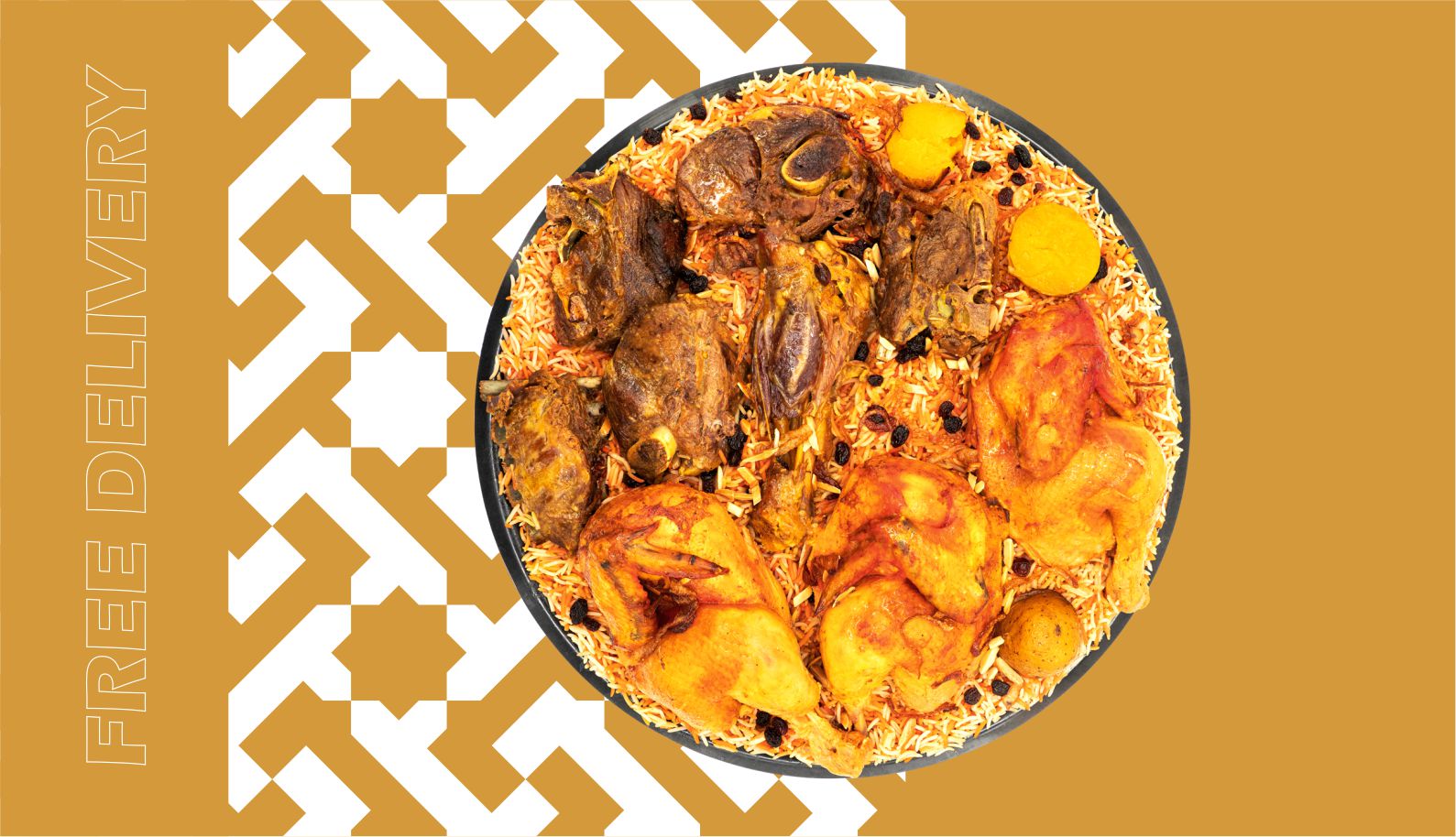
In Middle Eastern culture, serving lamb carries deep symbolic meaning. Lamb has long been considered a premium meat, associated with abundance and generosity. Offering a whole lamb mandi to guests is a powerful gesture—it signals honor, respect, and the host’s willingness to give their best.
At weddings, religious festivals like Eid, family reunions, and major milestones, Lamb Mandi is often placed at the center of the table, emphasizing unity and shared joy.
Communal Dining and Togetherness
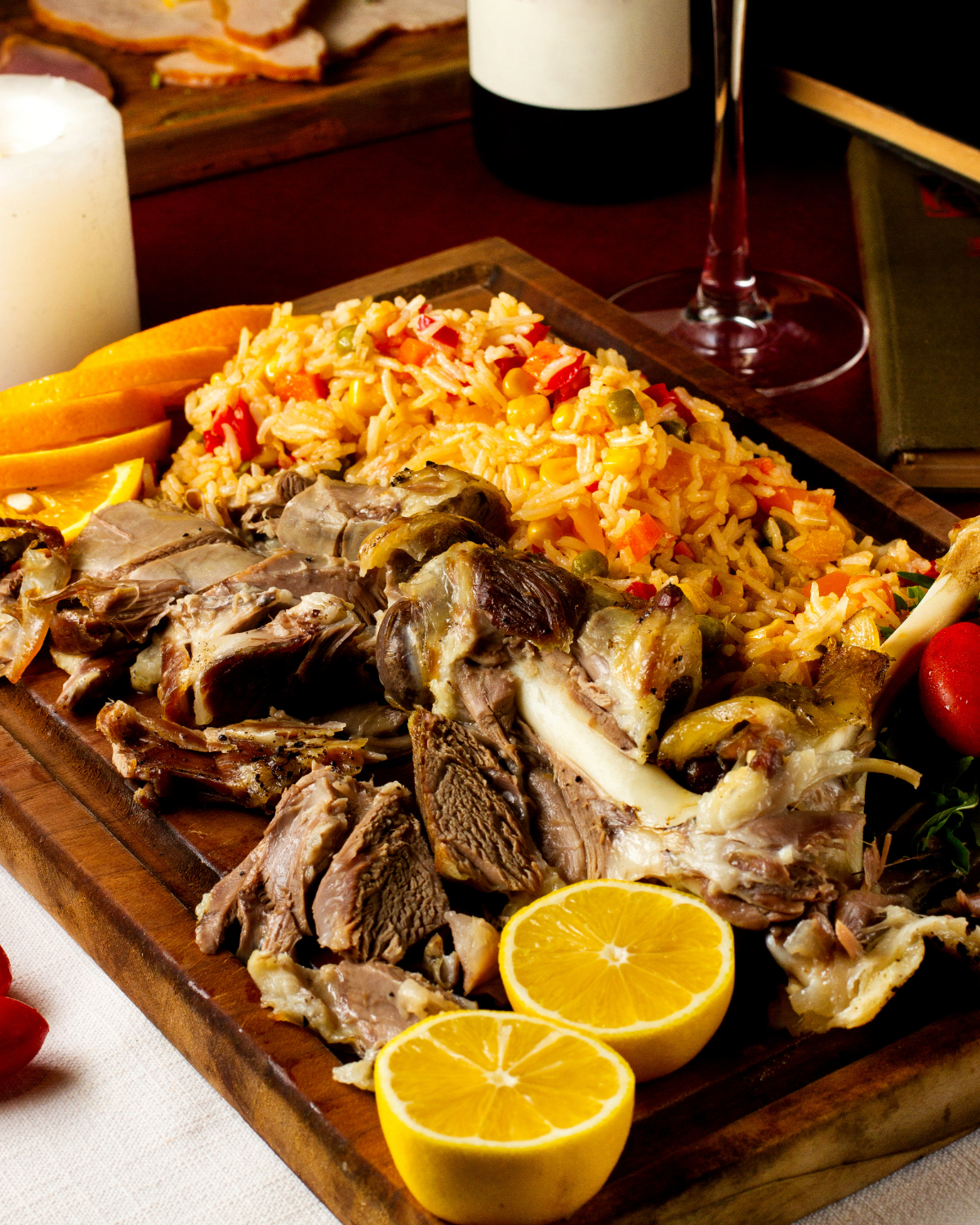
Lamb Mandi is traditionally served on a large platter, shared among family and guests. Everyone gathers around the dish, eating together rather than separately. This communal style of dining strengthens bonds and reflects the collective spirit of Middle Eastern celebrations.
The act of sharing Lamb Mandi mirrors the essence of these occasions: togetherness, gratitude, and connection.
Aromas That Mark a Special Day
The unmistakable aroma of Lamb Mandi—infused with spices like cardamom, cloves, cinnamon, and saffron—often signals that something special is happening. In many households, the scent alone announces a celebration before guests even arrive.
Food memories are powerful, and for many people, the smell of Lamb Mandi is closely tied to joyful moments, family gatherings, and festive nights.
A Dish That Commands Respect
Unlike faster or simpler meals, Lamb Mandi demands time, skill, and attention. The lamb must be tender, the rice perfectly spiced, and the smoky flavor balanced just right. Because of this craftsmanship, Lamb Mandi is treated with respect and pride—both in its preparation and in how it is served.
This reverence is another reason it remains a celebratory dish, often prepared by experienced cooks or ordered from trusted restaurants for important events.
More Than a Meal
Ultimately, Lamb Mandi represents far more than food. It tells a story of heritage, generosity, and shared happiness. Serving it during celebrations is a way of honoring tradition while creating lasting memories around the table.
In Middle Eastern culture, when Lamb Mandi is served, it means the moment matters—and everyone present does too.